If It's a Joint, I Adjust It — Head to Toe
Most people assume chiropractors only work on backs. That assumption leaves a lot of pain on the table. I adjust every movable joint in the body — and in a community full of pickleball players, hikers, and active adults who ask a lot from their joints, that distinction matters.
Every Joint in the Body Is Fair Game
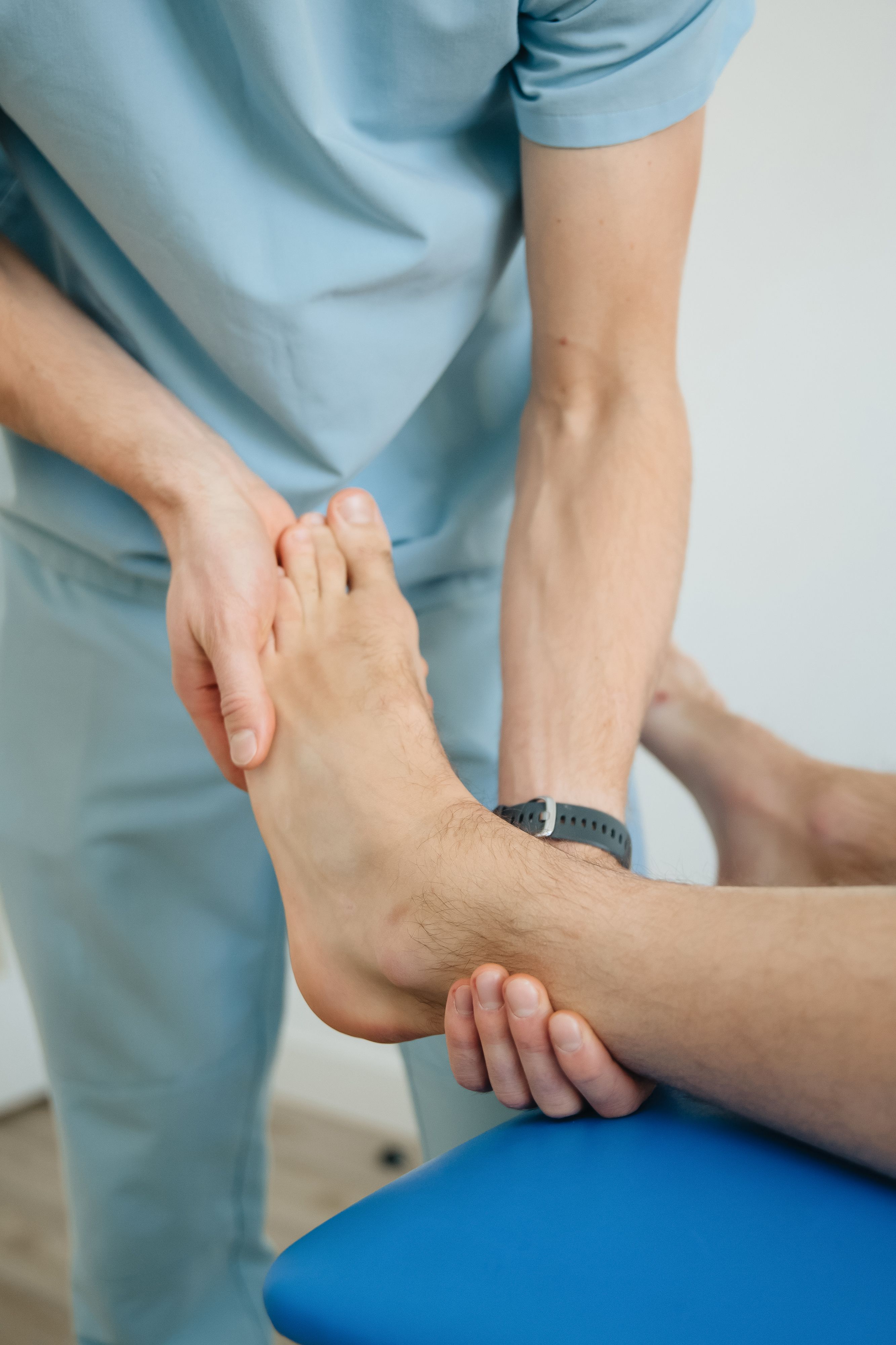
Chiropractic adjustment is not a spinal-only technique. The same principles that restore motion and function to a locked vertebra apply to any synovial joint in the body. At Capital Chiropractic Clinic, extremity adjusting is a standard part of what I do — not an add-on, not a specialty referral.
Here are the joints I assess and adjust:
- Ankles and feet, including the small joints of the toes
- Knees, including patellofemoral tracking issues
- Hips and sacroiliac joints
- Shoulders, including glenohumeral and acromioclavicular joints
- Elbows — medial and lateral
- Wrists and hands
- Ribs, where restriction causes sharp pain with breathing or rotation
- Cervical, thoracic, and lumbar spine, assessed alongside every extremity complaint
Specificity is the point. When a patient comes in with elbow pain, I need to know exactly which joint surface is restricted, which soft tissue is involved, and what's happening upstream in the cervical spine that supplies it neurologically.
Why Extremity Pain Rarely Stays in One Place
The body moves as a connected chain. When one joint stops moving the way it should, the joints above and below it compensate — and those compensations are where the secondary pain lives.
A sprained ankle that wasn't fully rehabilitated changes how you load your foot with every step. That altered gait shifts force into the knee at the wrong angle. The knee compensates by rotating slightly at the hip. The hip tightens, which tugs on the low back. By the time someone sits down in my office describing low back pain, the original ankle dysfunction is still there — it just stopped being the loudest complaint.
I map the whole chain. That means assessing not just the joint that hurts, but the joints above and below it, and the spinal segments that supply it neurologically. Fixing the extremity in isolation often produces temporary relief. Fixing the extremity and its relationship to the spine produces lasting results.
Common Conditions I Treat with Extremity Adjusting
These are the presentations I see most often in this practice — many of them in active adults who pushed through discomfort longer than they should have.
- Plantar fasciitis and heel pain
- Tennis elbow (lateral epicondylitis) and golfer's elbow (medial epicondylitis)
- Runner's knee and patellofemoral syndrome
- Frozen shoulder and rotator cuff-related shoulder restriction
- Ankle sprains with incomplete recovery
- Carpal tunnel symptoms and wrist pain
- Rib restriction causing sharp pain with deep breathing or twisting
- Hip impingement and lateral hip pain
- Post-surgical joints that are moving, but not moving right
If you've had cortisone shots or physical therapy for a recurring joint problem and it keeps coming back, there's a structural question that hasn't been answered yet. That's what I'm here to find.
The Shoulder That Keeps Coming Back
Recurring shoulder problems are one of the more frustrating presentations in my practice — not because they're hard to treat, but because they've usually been treated wrong for a long time. Inflammation management and strengthening exercises address the shoulder. They don't address the cervical and upper thoracic spine that supplies the shoulder neurologically.
The nerves that control shoulder function exit the spine at C4 through C6. When those segments are restricted, the shoulder receives compromised neurological input — and no amount of rotator cuff work will fully compensate for that. I assess both the shoulder joint and the spinal segments behind it. When both are corrected, the shoulder complaint typically resolves more completely and holds.
This same principle applies across every extremity. The joint and the spine that supplies it are not separate problems. They are one problem with two locations.
Pickleball Players: You Need a Head-to-Toe Chiropractor
Sun City Hilton Head has more than 30 pickleball courts and a player base that competes hard and recovers slowly when something goes wrong. Pickleball loads the elbow, wrist, shoulder, knee, ankle, and hip simultaneously — and those joints don't fail in isolation.
A hard lateral cut sprains the ankle. The altered gait loads the knee differently. The knee compensation rotates the hip, which tightens the low back, which changes how the shoulder rotates on the backhand. Players come in describing four separate problems that are actually one connected pattern.
I treat the whole pattern. That means adjusting every joint involved, addressing the spinal segments connecting them, and identifying which dysfunction started the chain. If you're playing through multiple complaints right now, the full picture is what you need — not four separate referrals.
For a detailed breakdown of pickleball-specific injuries and how I approach them, visit the pickleball injury page.
Frequently Asked Questions About Extremity Adjusting
Do chiropractors actually adjust joints other than the spine?
Yes — and it's more common than most patients realize. Any synovial joint in the body can develop restriction, and chiropractic adjustment is an effective way to restore motion to those joints. I adjust ankles, knees, hips, shoulders, elbows, wrists, ribs, and the small joints of the hands and feet as a regular part of my practice.How is a knee or ankle adjustment different from a spinal adjustment?
The mechanics differ by joint, but the goal is the same: restore normal motion to a joint that has lost it. Extremity adjustments are typically lower force than spinal adjustments and are highly specific to the joint surface involved. I also use light force techniques for patients who are post-surgical or have sensitive tissue around the joint.Can a chiropractic adjustment help with plantar fasciitis?
Plantar fasciitis often involves restriction in the small joints of the foot and ankle, combined with altered loading patterns that originate further up the kinetic chain. Adjusting the foot and ankle joints, combined with addressing any hip or low back dysfunction contributing to gait changes, produces better outcomes than treating the plantar fascia alone.I had surgery on my knee — is extremity adjusting safe for post-surgical joints?
In most cases, yes. I use light force techniques for post-surgical joints and assess the area carefully before any adjustment is applied. I'll also review your surgical history and imaging during the new patient exam. The goal is to restore motion to the joint without stressing the repair — and that's very achievable with the right technique.Why does my elbow hurt if I haven't injured it?
Elbow pain without a clear injury event is often referred from the cervical spine — the nerves that supply the elbow exit at C5 through C7. It can also result from repetitive loading patterns in sports like pickleball or tennis that inflame the tendon attachment points at the medial or lateral epicondyle. I assess both the elbow joint and the cervical spine to find where the problem is actually originating.